Exercise for Stroke Patients
Exercise for Stroke Patients: The Key to Recovery and Quality of Life Stroke is a leading cause of disability, but physical activity plays a pivotal role in helping stroke survivors regain independence, improve mobility, and enhance their quality of life. Tailored exercise programs can address muscl
Exercise for Stroke Patients: The Key to Recovery and Quality of Life
Stroke is a leading cause of disability, but physical activity plays a pivotal role in helping stroke survivors regain independence, improve mobility, and enhance their quality of life. Tailored exercise programs can address muscle weakness, balance issues, and cardiovascular health, which are common post-stroke challenges. In this blog, we’ll explore the types of exercises that benefit stroke patients and how to approach exercise safely and effectively.
Why Exercise is Vital for Stroke Recovery
After a stroke, many patients experience reduced motor function, decreased strength, and limited mobility, which can make daily tasks difficult. Regular exercise helps:
- Restore motor function by retraining the brain to perform movements.
- Improve strength and flexibility to compensate for any loss in muscle tone.
- Boost cardiovascular health, reducing the risk of a second stroke.
- Enhance mood and cognitive function, combating depression and anxiety that often follow a stroke.
Types of Exercises for Stroke Recovery
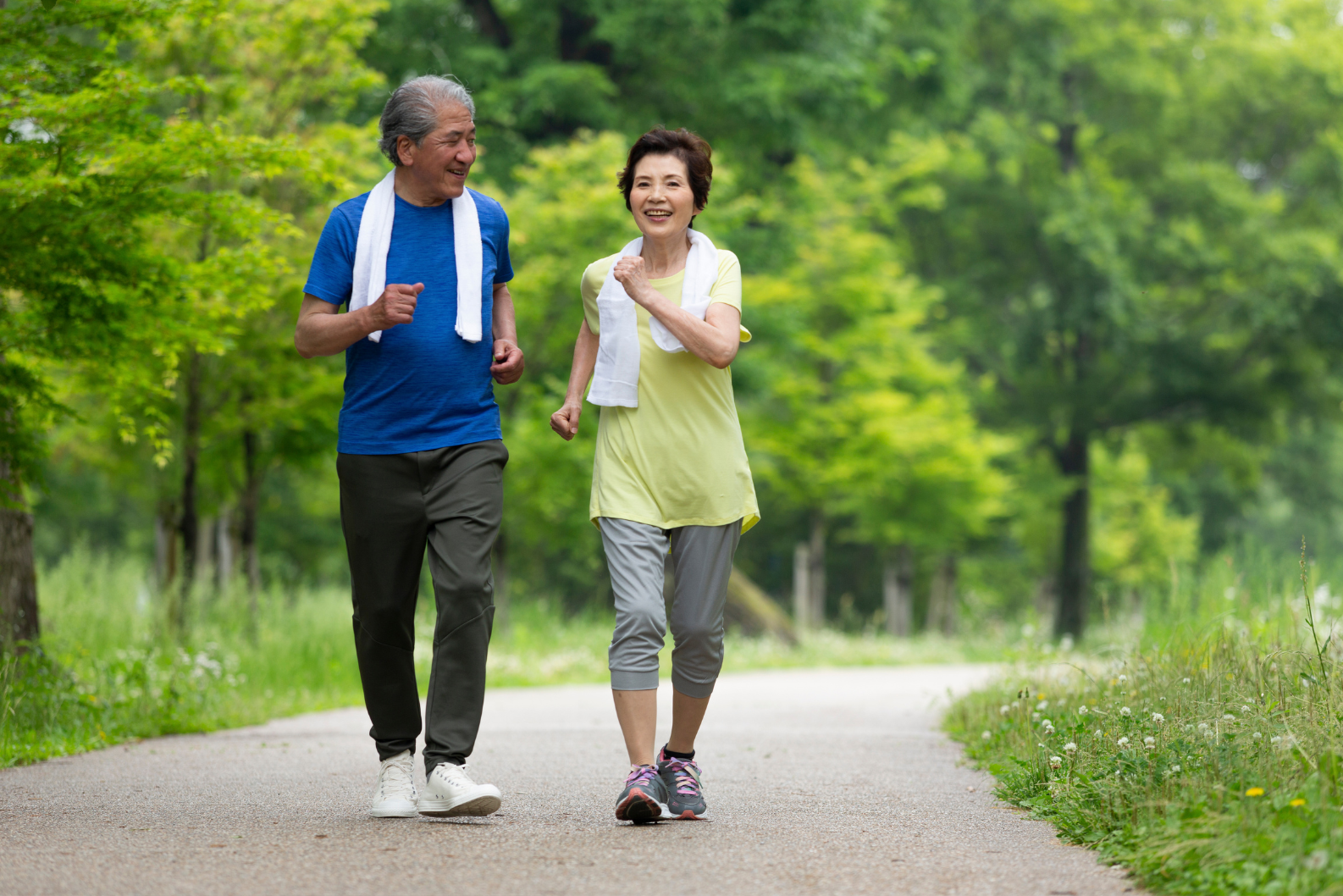
- Cardiovascular Exercises for Heart Health: Aerobic exercise improves cardiovascular function and promotes endurance. Options include:
- Walking (with support as needed)
- Stationary cycling
- Swimming or water aerobics, which are low-impact but effective
- Strength Training to Rebuild Muscle: Muscle weakness, especially on one side, is common after a stroke. Strength training is vital for regaining the ability to perform daily tasks. Examples include:
- Using resistance bands for gentle exercises
- Bodyweight exercises, such as modified squats or wall push-ups
- Light weights for arm and leg movements
- Balance and Stability Exercises: Many stroke survivors struggle with balance, leading to a higher fall risk. Examples of exercises to improve balance include:
- Tandem walking, which is gentle and promotes stability
- Heel-toe walking to enhance dynamic balance, coordination, and gait control
- Supported single-leg stands or step-ups
- Functional Movements to Improve Independence: Functional exercises mimic daily activities, helping patients regain independence. Examples include:
- Repeated standing and sitting motions
- Reaching or bending to pick up objects
- Walking over uneven surfaces or up stairs
- Fine Motor Skill Exercises: Strokes often affect hand dexterity, making daily tasks harder. To improve fine motor skills, try:
- Finger exercises, such as tapping or gripping
- Manipulating therapy putty to strengthen hand muscles
- Hand-eye coordination tasks, like moving small objects
How to Get Started?
With consistent effort, patience, and the right guidance, stroke survivors can rebuild their strength and mobility, reclaiming control of their lives. To get started, give our clinic a call on 02 4721 5567 to chat with our friendly staff or book online with our experienced Exercise Physiologist.
Got a niggle you can't shake?
Our physios have been getting Penrith moving since 1989. No referral needed for private patients.