How can I avoid hip pain when running?
When it comes to human performance, there may not be a more dynamic movement then running. Running requires strength, control, endurance, balance, coordination and the list goes on and on. Given this, there is nothing worse than the onset of hip pain in a runner. For some, the pain comes whilst runn
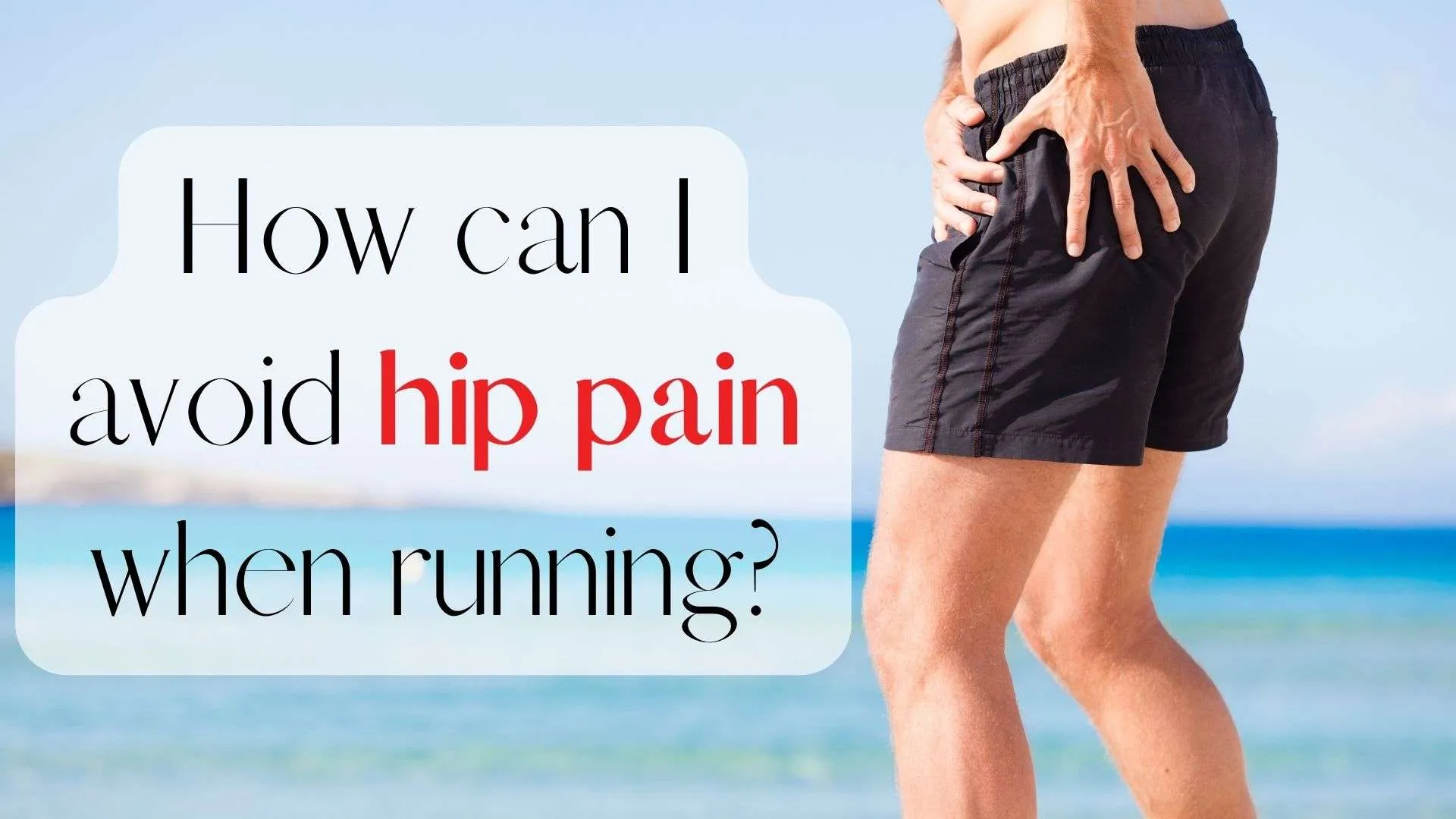
When it comes to human performance, there may not be a more dynamic movement then running. Running requires strength, control, endurance, balance, coordination and the list goes on and on. Given this, there is nothing worse than the onset of hip pain in a runner. For some, the pain comes whilst running, for others, it’s the aftermath that is painful. So, why is this happening? Is there an issue with my joints? Or is it muscular? What if it’s a bit of both?
Whatever the cause, you’re concerned, your looking for answers and most importantly you’re looking to get back on track. This blog will touch on some of the common causes of hip pain and more importantly, what you can do to address your pain!
What causes hip pain?
The difficulty with trying to categorise hip pain is that it can present itself in so many different ways. Clear pathologies such as hip impingement, osteoarthritis and neural issues may be the root of one’s pain, however, even within specific diagnose the symptoms experienced can vary greatly from runner to runner.
For the most part, hip pain is brought on by repetitive stress and strain to the tissues and structures that make up this area. Basically, our bodies are designed to be able to take on a certain amount of load. Sometimes when we push beyond this point, our body lets us know by using pain as a signal. Now that’s not to say that this amount of load is fixed. We can train our bodies to take on more, but this is a gradual process and does not happen overnight. That is why overuse injuries are so common in runners.
Why do my hips hurt when I run?
As stated before, the cause of hip pain is vast and complex. Often paired with overuse, biomechanical impairments are another culprit when looking at running injuries. As running is quite dynamic, biomechanical deficiencies are quite easily exposed when running. These deficiencies highlight areas of weakness and lead to compensatory patterns that typically will lead to overload, eventually manifesting as hip pain. Things such as an excessive anterior pelvic tilt, pelvic drop and excessive adduction and internal rotation when running are all indicative of potential weakness and a lack of motor control that may lead to biomechanical overload that causes pain.
So, how do I treat my hip pain?
Load management
When it comes to hip pain load management is key. It comes with a bit of trial and error but finding what your tolerance is and gradually building upon that is crucial to successful outcomes. It is important to go through a deload phase, but this doesn’t necessarily mean becoming sedentary. Deloading as a means of managing pain and tissue loading is necessary when looking to achieve positive outcomes.
Muscle Activation
Muscle activation (or neuromuscular) training involves working on “mind-muscle” connection and working on “turning on” specific muscles that will effectively air in the completion of specific movement patterns. When an individual sustains an injury or has been relying on biomechanical compensations for an extended period o time, muscle activation can become less efficient. Through practicing specific, targeted exercises we are able to attain a greater level of muscle activation that should result in improved biomechanics and a reduction in pain.
Strength and control
Simply put, strength is king. In order to successfully perform movements, support joints and protect passive structures and match the demands of activity, your muscles must be strong. However, this doesn’t paint the whole picture. Motor control is just as important as strength but is not focused on enough. Improving control and strength will address a lot of the deficits an individual may be experiencing and in turn, can have a positive effect on pain.
Run specific drills
The aim of all of this training is to be able to run pain free. Before going and running marathons, it is quite good to practice some run specific drills that focus on gait, technique and shock absorption.
Conclusion
All in all, when addressing hip pain it is important that we treat the cause as oppose to the symptoms. Symptom management is definitely necessary, but delving deeper and addressing the root of the pain as opposed to the pain itself is what will provide an individual with sustainable improvements. If this is something you are experiencing, reach out to our physiotherapist team so we can help you address your goals. Book online or call us on 02 4721 5567 to get started.
Got a niggle you can't shake?
Our physios have been getting Penrith moving since 1989. No referral needed for private patients.