Understanding Pregnancy Pelvic Girdle Pain: Causes, Symptoms, and Physiotherapy Treatment
Pregnancy Pelvic Girdle Pain (PrPGP): Causes, Symptoms & How a Pelvic Floor Physio Can Help Causes of Pregnancy Pelvic Girdle Pain Pelvic Girdle Pain (PGP) commonly occurs during pregnancy due to: Relaxin hormone release, which increases ligament laxity to prepare for birth, making pelvic joints mor
Pregnancy Pelvic Girdle Pain (PrPGP): Causes, Symptoms & How a Pelvic Floor Physio Can Help
Causes of Pregnancy Pelvic Girdle Pain
Pelvic Girdle Pain (PGP) commonly occurs during pregnancy due to:
-
Relaxin hormone release, which increases ligament laxity to prepare for birth, making pelvic joints more mobile and vulnerable.
-
Biomechanical changes from your growing baby, which shift your centre of gravity and place extra strain on the sacroiliac joints, symphysis pubis, and lower back.
-
Muscular imbalances, particularly in the core, glutes, and pelvic floor, reducing spinal and pelvic stability.
-
Prior injuries or history of pelvic or lower back pain.
-
Everyday tasks, like bending, lifting, or prolonged standing, which increase pelvic stress when muscles are working harder than usual.
Why this matters: Understanding these causes helps you see why targeted support—especially from a qualified pelvic floor physio—is so important during pregnancy.
Common Symptoms of Pregnancy Pelvic Girdle Pain
PGP symptoms can vary, but typically include:
-
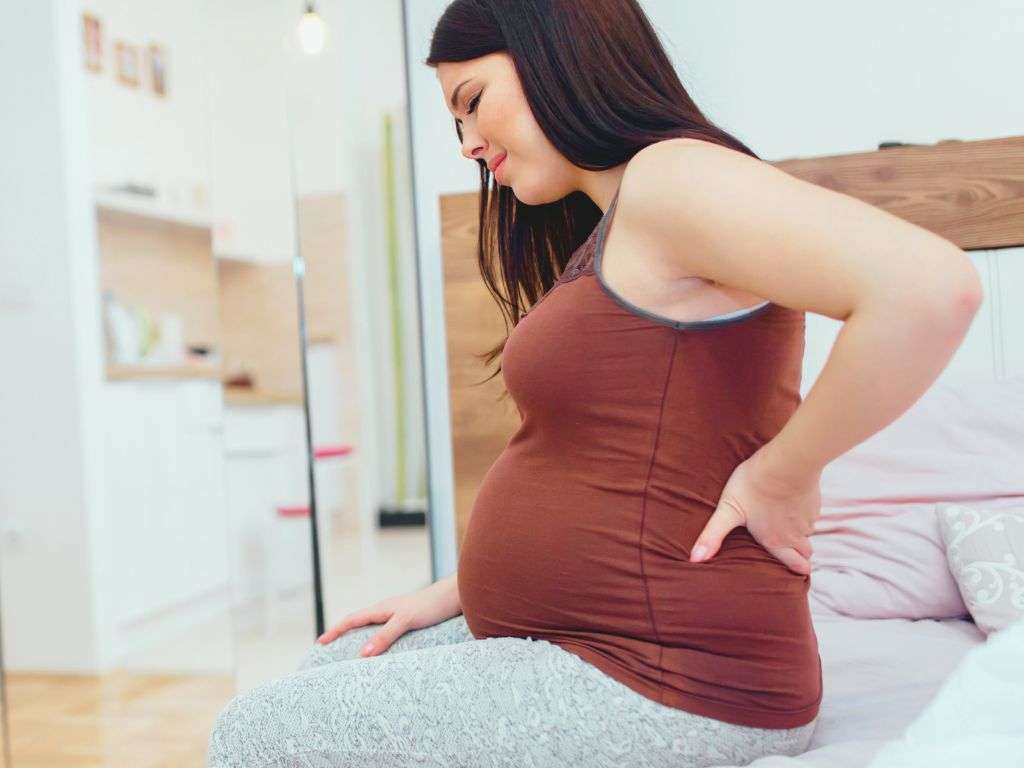
Sharp or aching pain across the pelvis, lower back, groin, inner thighs, or hips.
-
Instability or “giving way”, making it hard to lift one leg or stand on one side.
-
Difficulty walking, noticeable waddling gait, or feeling “locked” when moving.
-
Pain with simple actions such as rolling in bed, climbing stairs, getting in or out of a car, standing up from sitting, or turning.
-
Pain that fluctuates, worsening with long periods of activity and easing with rest.
Note: While often painful, PGP doesn’t harm your baby. But it can significantly impact your comfort and mobility—especially if left unaddressed.
How a Pelvic Floor Physiotherapist in Penrith Can Help
At Penrith Physiotherapy Sports Centre, our specialised Pelvic Floor Physio services are designed to support women at every stage—including managing PGP in pregnancy. Here’s how pelvic health physiotherapists can assist:
Targeted Assessment & Individualised Treatment
-
Conducts comprehensive assessments of pelvic floor, core, abdominal wall separation, posture, and gait—essential for effective PGP management.
-
Designs tailored exercise routines to strengthen the pelvic floor, core, glutes, and hip stabilisers, enhancing pelvic stability and balance.
Manual Therapy & Supports
-
Uses manual therapy—gentle hands-on techniques—to improve joint mobility and alleviate pain.
-
May recommend pelvic support belts to provide extra support for the pelvis and reduce strain during movement.
Movement Strategies & Ergonomic Advice
-
Guides you on safe movement patterns: getting in/out of bed or cars, walking, navigating stairs, and bending—minimising pelvic stress.
-
Educates on posture and ergonomics, helping you confidently navigate daily tasks and maintain physical comfort.
Pregnancy-Specific Programs
- Offers pre-natal care, including strategies to manage abdominal wall separation and boost pelvic floor function. Pregnancy Pilates is available both pre- and post-natally for strength and stability
Holistic Support Beyond PGP
- As part of broader pelvic floor physiotherapy: you also have access to support services for bladder, bowel, and pelvic organ prolapse management, ensuring care is holistic and tailored to your needs
Dealing with pelvic pain during pregnancy? You don’t have to just “push through” it. At Penrith Physiotherapy Sports Centre, our experienced pelvic floor physiotherapists offer expert, evidence-based care—addressing PGP at its root and empowering you to stay active and comfortable before and after birth.
Ready to feel more stable, stronger, and supported during pregnancy?
Book an appointment or call us on (02) 4721 5567. Let’s help you move better, feel confident, and enjoy your journey into motherhood.
Got a niggle you can't shake?
Our physios have been getting Penrith moving since 1989. No referral needed for private patients.