
What Type of Back Pain Do You Have? A Simple Guide After 50
🦴 Understanding Lower Back Pain: What’s Normal, What’s Not, and When to Get Checked Lower back pain is extremely common, especially in people over 50.But not all back pain is the same — and understanding where symptoms come from can help you decide whether to monitor things at home or seek professio

Lower back pain is extremely common, especially in people over 50.
But not all back pain is the same — and understanding where symptoms come from can help you decide whether to monitor things at home or seek professional advice.
This guide explains the basics of lumbar spine anatomy, what normal age-related changes look like, and the symptoms that suggest you should get your back assessed.
1. Anatomy of the Lumbar Spine — A Simple Overview
Your lower back (the lumbar spine) is a strong, flexible structure designed to support load, allow movement, and protect your nerves. It’s made up of several key parts:
The Vertebrae
The solid building blocks of your spine that stack on top of each other to allow bending, twisting and support.
The Intervertebral Discs
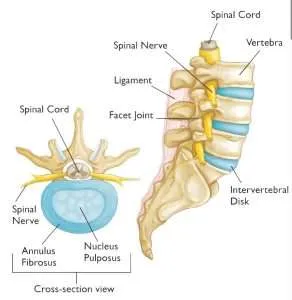
Cushion-like structures that sit between each vertebra.
They absorb load — a bit like shock absorbers — and allow smooth movement between the bones.
The Nerve Exits (Foramina)
Small openings on each side of the vertebrae where nerves exit to travel down the legs.
They control movement, sensation and reflexes.
Facet Joints
Small joints at the back of the spine that guide and limit movement, preventing excessive rotation or bending.
Together, these structures allow your back to move freely while protecting your spinal cord and nerves.
2. Age-Related Changes in the Spine — Normal and Not Dangerous
As we age, our spine changes too — just like our skin, hair and joints.
Common findings on scans include:
-
Thinning or dehydrated discs
-
Mild disc bulges
-
Facet joint arthritis
-
Narrowing around nerve exits
-
Small bone spurs
These sound concerning, but research shows that many are normal age-related changes and don’t always cause pain.
Many people in their 50s, 60s and 70s have “degenerative” changes on MRI but no symptoms at all.
The key message:
👉 Ageing on the inside doesn’t always match how you feel.
Pain usually occurs when several small changes add up or when the spine is loaded in a way it isn’t used to. But degeneration alone is rarely a cause for alarm.
3. When Nerve Compression Becomes Important
Sometimes a larger disc bulge or significant narrowing around the nerve exit can place pressure on a nerve.
This is different from general back pain and often creates a very specific pattern of symptoms called radiculopathy.
Common signs include:
-
Sharp or burning pain down the leg
-
Tingling or pins and needles
-
Numbness in the leg or foot
-
Muscle weakness
-
Pain that worsens with coughing, sneezing or prolonged sitting
These symptoms should be checked, especially if they’re getting worse or affecting your walking.
Most cases still improve with guided movement and graded loading — but they should be assessed properly.
4. Centralised Lower Back Pain — Local Pain With Many Possible Sources
Not all back pain comes from nerves or discs.
Many people experience centralised lower back pain, meaning the discomfort stays in the back rather than travelling down the leg.
It can come from:
Joint Stiffness
Facet joints can become stiff or irritated after prolonged sitting or first thing in the morning.
Muscle Spasm or Tightness
Back muscles can tighten or guard when the spine feels overloaded or fatigued.
Sprain or Strain
Sudden lifting, twisting or gardening can irritate soft tissues around the spine.
Disc Irritation Without Nerve Compression
A disc may become sensitised without pressing on a nerve — causing back-only pain.
⭐ Why No Two People Experience Back Pain the Same Way
Everyone’s lower back pain is different.
Two people can have the exact same scan result but completely different symptoms, movement patterns and pain levels.
Pain is influenced by:
-
Your day-to-day activity
-
Sleep
-
Stress
-
How your body has adapted over time
-
Past injuries
-
Muscle strength and mobility
-
Your general health
Because of this, there is no one-size-fits-all treatment for back pain.
What works well for one person may not help someone else — which is why individualised care matters.
If your back pain isn’t settling, keeps returning, or is affecting your confidence in movement, it’s important to see a physiotherapist to identify the underlying factors and guide a plan tailored to you.
The Takeaway — Understanding Your Back Helps You Move With Confidence
Lower back pain can come from many different structures, and not all presentations are serious.
Knowing the difference between normal age-related change, nerve-related symptoms, and centralised back pain can help you feel calmer and more in control of your recovery.
But because every body is different, the most effective approach is one that’s personalised to your symptoms, your history and your goals.
How Penrith Physiotherapy Sports Centre Supports You
At Penrith Physiotherapy Sports Centre, we take the time to explain your back pain clearly and without jargon.
We assess how your spine is moving, identify whether symptoms are coming from the joints, discs, muscles or nerves, and tailor a plan that suits your current ability.
Our aim is simple:
to help you understand your back, move with confidence and get back to what you enjoy.
Got a niggle you can't shake?
Our physios have been getting Penrith moving since 1989. No referral needed for private patients.