
What is tennis elbow?
Tennis elbow, medically known as lateral epicondylalgia, is a condition that affects the tendons in the outer part of the elbow. The condition is typically caused by overuse or repetitive stress on the tendons that attach to the bony prominence (lateral epicondyle) on the outside of the elbow. Activ
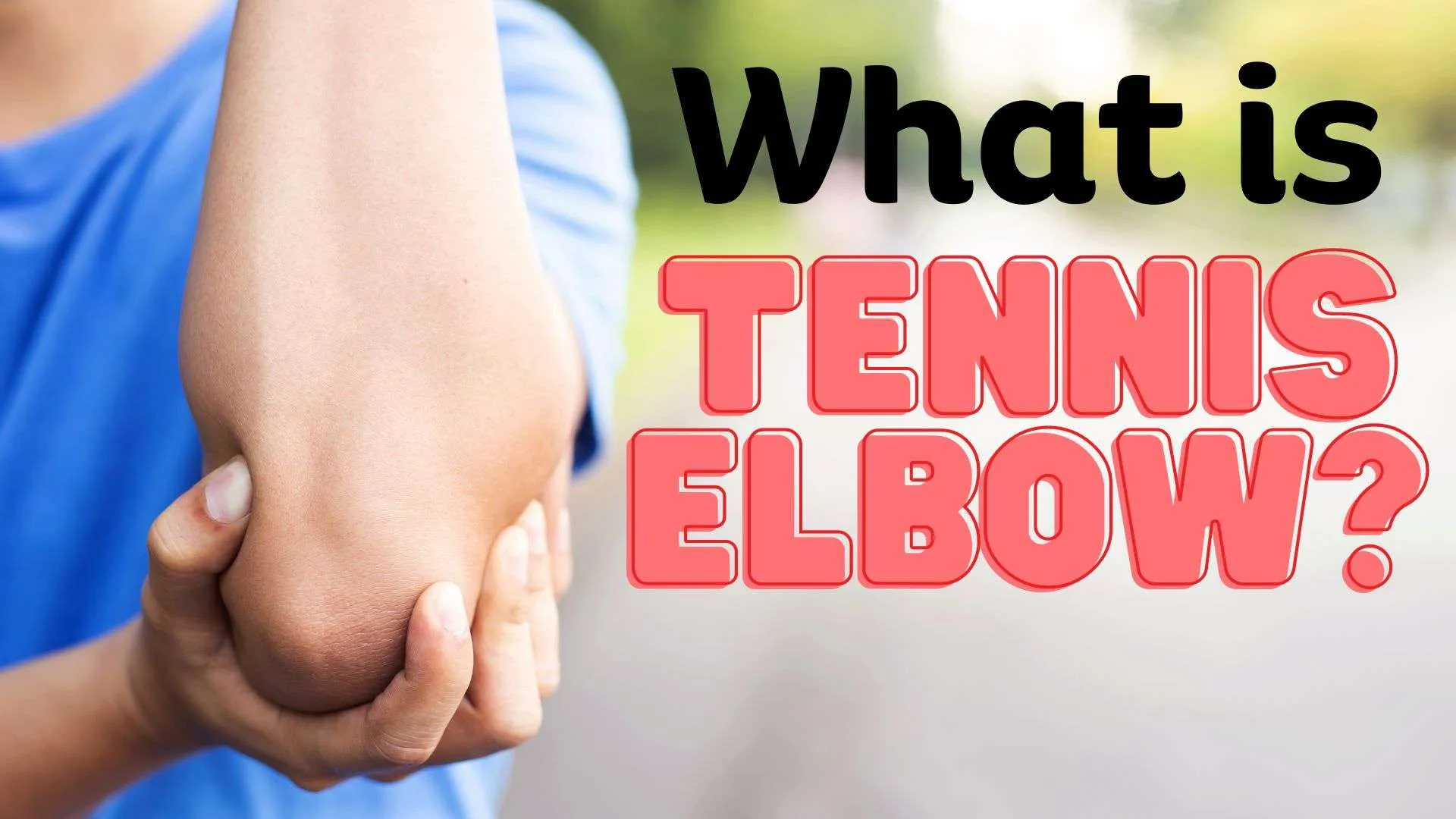
Tennis elbow, medically known as lateral epicondylalgia, is a condition that affects the tendons in the outer part of the elbow. The condition is typically caused by overuse or repetitive stress on the tendons that attach to the bony prominence (lateral epicondyle) on the outside of the elbow. Activities such as playing tennis (particularly with improper technique), repetitive computer mouse use, painting, plumbing, or any other activities that involve repetitive wrist or arm movements can contribute to the development of tennis elbow.
Tennis elbow most commonly affects the person’s dominant hand. About 33% of patients may experience pain or recurrence of symptoms at one year; however, approximately 95% of people will respond well to non-operative treatment. The main symptoms of tennis elbow include pain and tenderness on the outside of the elbow. The pain may radiate down the forearm and worsen with activities that involve gripping or lifting. In some cases, individuals may experience weakness in their grip strength and some pins and needles in their forearm.
How do I treat tennis elbow?
The treatment for tennis elbow is multifaceted. Initially, education should be given on how to modify exercises to allow for rest and to reduce the load on the muscles. Complete rest is rarely advised as it can further weaken the muscle and is unrealistic for those who cannot stop working. Treatments such as taping or bracing may help in the initial phases to offload the muscles while continuing to use the arm.
Once the pain and tenderness have significantly reduced, exercises should begin. Start with active range of motion and low-grade strengthening exercises. Gradually increase the weight as your symptoms improve and the exercise becomes easier. Remember, it’s important to start these exercises with light resistance and gradually increase the intensity as tolerated. I have listed three exercise examples that would be beneficial to start with.
What are the best exercises for tennis elbow?
- Ball Squeeze: Hold a small ball in your affected hand, rest your forearm on a bench/table, and squeeze lightly.
- Hold for 10-15 seconds and then release.
- Repeat the exercise 8-12 times, several times a day.
- Eccentric Wrist Extension: Rest the affected arm on a table or stand with the palm facing down and wrist extended beyond the edge. Hold a light weight (e.g., dumbbell or can of food) in the hand. Use the unaffected hand to assist in lifting the weight by bending the wrist upward. Release the unaffected hand and slowly lower the weight back down using the affected wrist muscles.
- Perform 10 to 15 repetitions of this exercise, gradually increasing the weight.
- Do this exercise once a day.
- Forearm Pronation and Supination: Hold a small stick or hammer in your affected hand with your elbow bent at a 90-degree angle, palm facing up. Slowly rotate your forearm, turning your palm down (pronation), and then rotate it back up to the starting position with your palm facing up (supination).
- Perform 2 to 3 sets of 10 to 15 repetitions.
So, what now?
In conclusion, the prognosis for tennis elbow varies from person to person. With appropriate treatment and management, including rest, modifications in activities, exercises, and other interventions, most individuals can expect a favorable prognosis. Many people experience significant improvement and resolution of symptoms within a few weeks to several months. However, it’s important to note that tennis elbow can become chronic in some cases or persist despite conservative measures. If symptoms persist or worsen, further evaluation and treatment may be necessary. Seeking early medical attention, following recommended treatment plans, and practicing preventive measures can contribute to a better prognosis and long-term management of tennis elbow. A healthcare professional such as a physiotherapist can provide an accurate prognosis and guide individuals through the appropriate steps to achieve optimal recovery and reduce the risk of recurrence.
Got a niggle you can't shake?
Our physios have been getting Penrith moving since 1989. No referral needed for private patients.