
When Should I Be Concerned About My Child’s Walking?
When Should I Be Concerned About My Child’s Walking? Watching your child take their first steps is an exciting milestone, but what if walking seems delayed or different from other children? While every child develops at their own pace, there are certain red flags to watch for that may indicate a nee
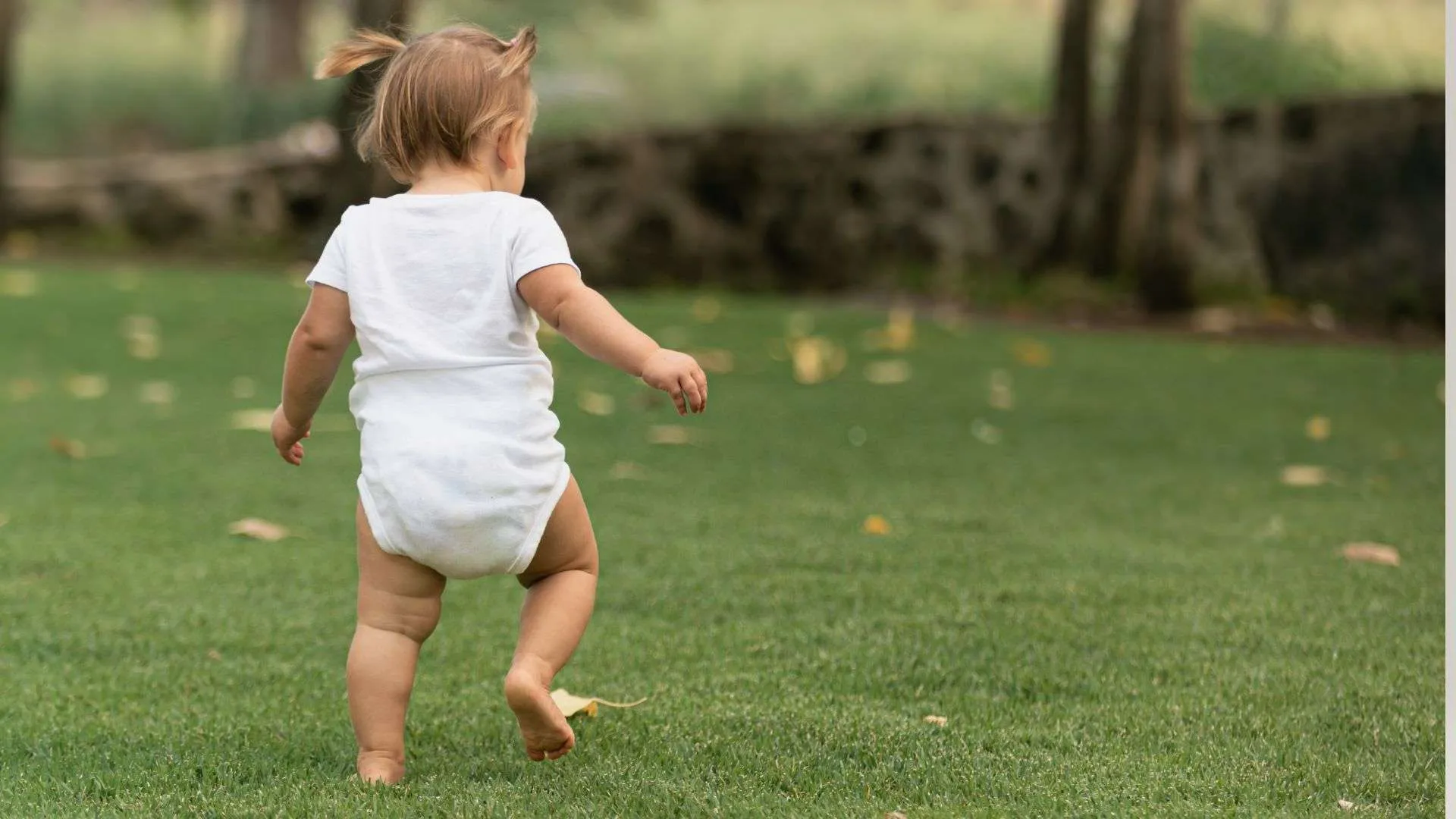
Watching your child take their first steps is an exciting milestone, but what if walking seems delayed or different from other children? While every child develops at their own pace, there are certain red flags to watch for that may indicate a need for further support.
Understanding Typical Walking Development
Most children begin to walk between 10 and 18 months. Some take their first steps earlier, while others need a little more time. It’s important to remember that variations in timing are normal. However, there are key signs that may suggest an underlying issue requiring attention.
Red Flags to Watch For
If your child is experiencing any of the following, it may be beneficial to consult a paediatric physiotherapist:
By 12 Months:
- Not pulling up to stand
- Not attempting to cruise along furniture
- Stiff or overly floppy legs
By 15-18 Months:
- Not walking independently
- Walking on toes consistently without flat-footed steps
- Uneven movements, such as favouring one leg
- Frequent falling or lack of balance
By 2 Years:
- Still not walking or only walking with support
- Difficulty standing up from the floor without assistance
- Unable to walk up/down stairs without holding on
By 3 Years and Beyond:
- Walking appears uncoordinated or unsteady
- Frequently tripping or falling more than peers
- Difficulty running, jumping, or climbing stairs
Possible Causes of Delayed Walking
Several factors can contribute to a delay in walking, including:
- Prematurity: Babies born early often need extra time to develop strength and coordination.
- Low Muscle Tone (Hypotonia): Can make it harder for children to build the strength needed to stand and walk.
- Tight Muscles or Stiffness: Conditions such as cerebral palsy may affect mobility.
- Developmental Delays: Some children take longer to reach milestones due to neurological or genetic factors.
- Sensory Processing Challenges: Difficulty perceiving balance and movement can impact walking confidence.
When to Seek Professional Guidance
If you’re concerned about your child’s walking, a pediatric physiotherapist can assess their movement and provide strategies to encourage progress. Early intervention can help address underlying issues and support confident, independent walking.
How Physiotherapy Can Help
- Strength and Balance Exercises: Helping children develop the muscles needed for walking stability.
- Gait Training: Encouraging a natural walking pattern to prevent future difficulties.
- Play-Based Therapy: Using fun, engaging activities to motivate movement.
- Parent Education: Providing strategies and exercises to support walking development at home.
Trust your instincts—if you feel something isn’t quite right with your child’s walking, seeking advice early can make a big difference. Early intervention can help children build confidence and independence, ensuring they develop strong movement skills for life. If you have concerns, Penrith Physiotherapy Kids can help. Email us at PPSCKids@penrithphysiotherapy.com.au or make an online booking below.
Got a niggle you can't shake?
Our physios have been getting Penrith moving since 1989. No referral needed for private patients.